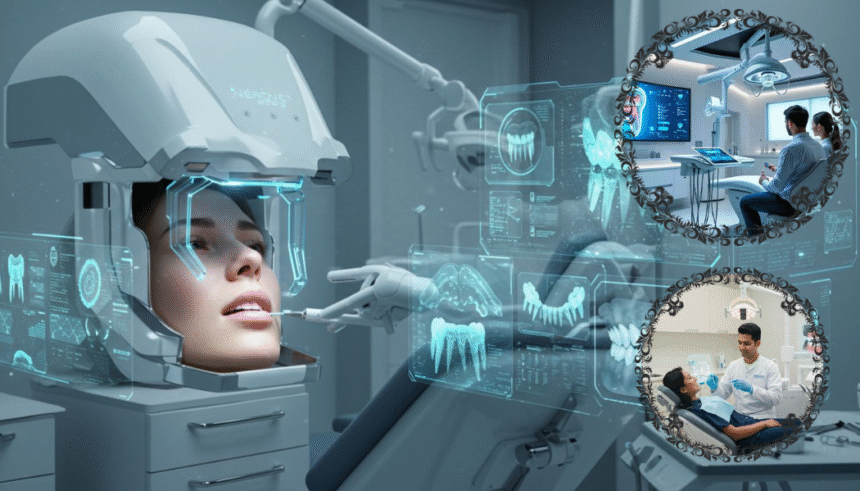
Visiting the dentist is often associated with anxiety and anticipation. Patients worry about discomfort, unexpected procedures, or unclear explanations. Over the years, dental care has evolved, introducing new tools and techniques to make visits safer, faster, and more effective. One of the most promising developments in recent times is Nerovet AI Dentistry, which combines advanced technology with traditional dental care to improve accuracy, early detection, and patient experience.
This article explores what Nerovet AI Dentistry is, how it works, its benefits, and what the future may hold for patients and dental professionals alike.
What Is Nerovet AI Dentistry?
Nerovet AI Dentistry is a system that assists dental professionals in diagnostics and treatment planning using advanced imaging analysis, predictive modeling, and data integration. Instead of replacing the dentist, it serves as a powerful support tool to enhance decision-making, improve patient care, and reduce errors.
By analyzing digital X-rays, intraoral scans, and patient history, Nerovet AI helps identify early signs of cavities, gum disease, bone loss, and other dental issues that might otherwise go unnoticed. This system is designed to complement human expertise, giving dentists more confidence in their recommendations and allowing them to focus on patient communication and care.
How It Works
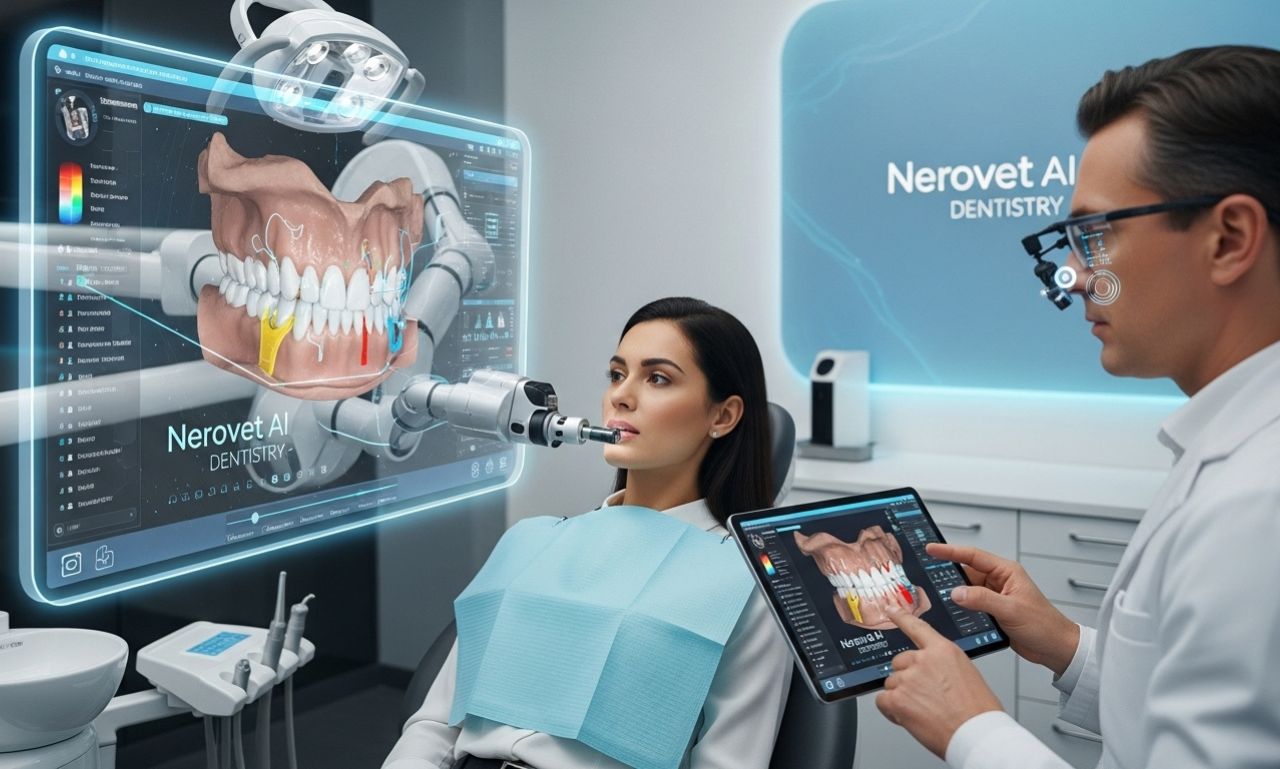
The process begins with data collection. Dentists gather standard digital images, including panoramic X-rays, bite-wing scans, and 3D CBCT scans. Alongside imaging, patient history, lifestyle habits, and previous dental records are incorporated to provide a comprehensive overview of oral health.
Next, analysis occurs through the AI system. Using machine learning algorithms, the software identifies patterns and anomalies that might indicate early-stage problems. The AI detects tiny cavities, early bone loss, or subtle changes in tooth structure that may be invisible to the human eye.
Once the analysis is complete, the system generates visual reports and treatment suggestions. These reports highlight areas of concern, simulate potential treatment outcomes, and give dentists a clear roadmap for discussion with patients.
Finally, dentists review the findings, integrate their professional judgment, and discuss treatment options with the patient. AI serves as an assistant, but human decision-making remains central.
Benefits for Patients
Early detection of dental issues is one of the most important advantages. Because Nerovet AI Dentistry can detect problems before they progress, patients often require less invasive treatments and experience faster recovery times.
Personalized treatment is another benefit. By combining imaging, patient history, and risk analysis, dentists can create a plan tailored to each individual, considering factors such as age, diet, oral hygiene habits, and medical history.
Patients also benefit from clear communication and understanding. Visual reports and simulations help people see exactly what is happening in their mouths, reducing anxiety and making treatment decisions easier.
Additionally, AI can improve efficiency during dental visits. Analysis is done quickly in the background, so dentists can spend more time focusing on the patient’s comfort and questions rather than on extensive manual image review.
Benefits for Dentists
Dentists gain improved diagnostic accuracy and consistency. Human error, fatigue, and subtle variations in interpretation are reduced when AI assists in evaluating images and identifying potential issues.
Workflow efficiency also increases. Automated image analysis and report generation save time, allowing dentists to devote more attention to patient care, consultations, and treatment execution.
Moreover, AI supports preventive care, helping dentists identify risks and intervene early, rather than treating problems only after they become severe. This approach enhances patient satisfaction and builds trust in the dental practice.
Applications of Nerovet AI Dentistry
The versatility of Nerovet AI Dentistry allows it to be applied in many areas of dental care.
In general dentistry, it helps detect cavities, early gum disease, and enamel wear. Patients receive treatment before problems become more severe, reducing the need for extensive procedures.
Orthodontics benefits from AI by simulating tooth movement, creating personalized aligner plans, and forecasting treatment timelines. Patients can better understand the expected outcomes before starting therapy.
For cosmetic dentistry, AI visualizations show potential results of teeth whitening, veneers, or smile corrections, helping patients make informed decisions.
Implantology and restorative dentistry also gain from AI assistance, as it evaluates bone density, optimal implant placement, and predicts long-term outcomes for crowns, bridges, and implants.
Finally, pediatric dentistry benefits from early detection of oral issues, reducing anxiety for young patients through visual explanations and preventative care.
Considerations and Limitations
While the advantages are significant, it’s important to recognize limitations. Initial implementation can be expensive, requiring investment in digital imaging, software, and staff training.
Data quality is essential. The accuracy of AI analysis depends on clear images and diverse patient data to prevent potential biases. Misinterpretation can occur if images are low-quality or training data lacks variety.
Patient privacy must be prioritized. Secure storage and compliance with regulations, such as HIPAA or GDPR, are crucial when handling sensitive medical and dental data.
Finally, AI should never replace human judgment. Dentists are legally and ethically responsible for patient care decisions. AI acts as a support tool, not a substitute for expertise.
The Future of Dentistry
The integration of AI in dentistry signals a shift toward personalized, preventive, and patient-focused care. Real-time chair-side analysis could allow dentists to assess problems instantly during appointments.
Tele-dentistry could leverage AI to triage patients remotely, especially in underserved areas. Home-monitoring devices might integrate with AI to provide continuous oral health tracking and early alerts.
Advanced AI might even guide robotic-assisted procedures, increasing precision in surgeries, implant placements, and orthodontic adjustments.
The combination of AI support and human care ensures that dentistry evolves while maintaining empathy, comfort, and personalized treatment for each patient.
Conclusion
Nerovet AI Dentistry represents a gentle revolution in modern dentistry. By combining advanced imaging, predictive analysis, and workflow efficiency with human expertise, it creates an environment where dental care is safer, faster, and more personalized.
Buzzlift: AgentCarrot ATX Bogus: What You Really Need to Know
Patients experience early detection, clear explanations, and customized treatment plans, while dentists benefit from improved accuracy, efficiency, and preventive care strategies. The future promises further integration of AI and technology, making dental visits less stressful and more effective without replacing the human touch.
By embracing AI as a supportive tool rather than a replacement, Nerovet AI Dentistry fosters trust, confidence, and a new level of comfort in dental care—truly a revolution that is gentle, yet transformative.