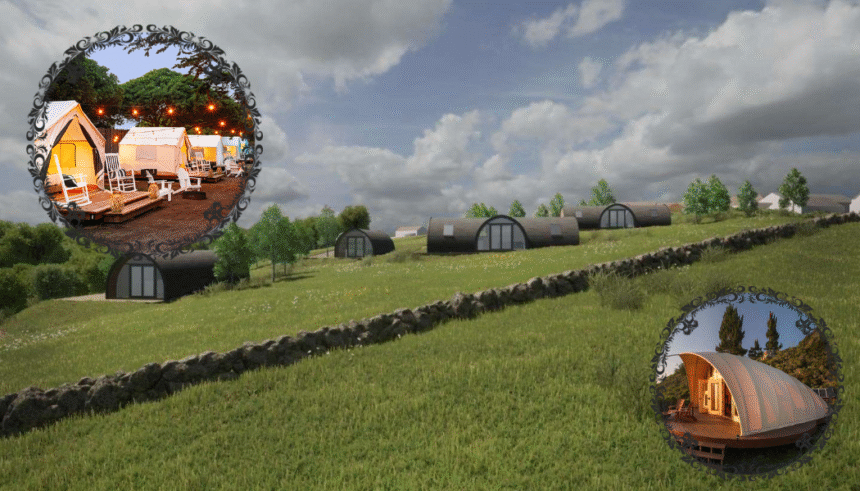
The tourism industry has witnessed a remarkable transformation in recent years, with travelers seeking unique experiences that combine nature with luxury. One of the fastest-growing segments in this evolution is the glamping economy. Short for “glamorous camping,” glamping offers a luxurious alternative to traditional camping, blending comfort, adventure, and environmental consciousness. The rise of glamping has not only reshaped how people travel but also significantly impacted local economies worldwide.
Understanding the Glamping Concept
Glamping is more than just camping; it is an experience that provides travelers with the comforts of high-end accommodations, such as cozy beds, electricity, climate control, and gourmet meals, while still allowing them to enjoy the serenity of nature. Unlike traditional camping, glamping sites often feature tents, yurts, treehouses, cabins, or domes that are designed aesthetically and functionally. The concept appeals to a wide audience, from urban professionals seeking a weekend escape to eco-conscious travelers looking for a sustainable way to connect with nature.
Economic Impact of Glamping
The glamping industry has emerged as a lucrative niche within the broader tourism sector. According to industry reports, the global glamping market has grown steadily, reaching billions in revenue annually. This growth is fueled by increasing consumer demand for unique and memorable experiences over conventional hotel stays. Glamping creates income opportunities for local communities through employment, tourism services, and supply chains, including food, decor, and construction. Small businesses, particularly in rural or scenic regions, benefit significantly as glamping attracts visitors who spend money locally, boosting regional economies.
Investment Opportunities in Glamping
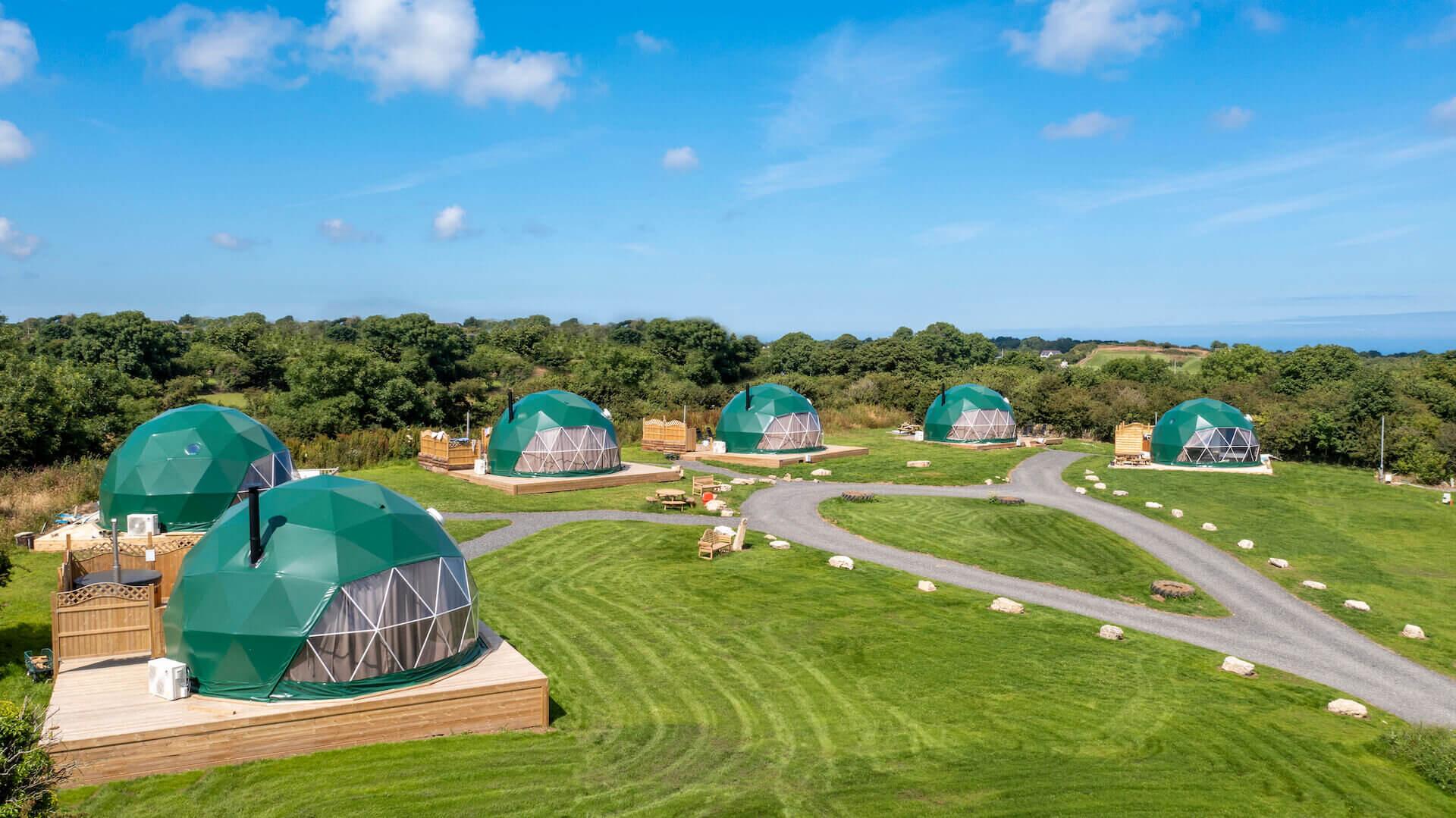
Investors are taking notice of glamping’s potential, as it combines tourism trends with sustainability and lifestyle appeal. Establishing a glamping site often requires lower capital investment than building a traditional resort, yet it can yield competitive returns due to premium pricing. Many entrepreneurs are also exploring eco-friendly glamping options, which attract environmentally conscious travelers willing to pay a premium for sustainable experiences. From boutique tents to luxury treehouses, glamping investments offer both high growth potential and the opportunity to innovate within the travel industry.
Influence on Local Communities
Glamping has a positive impact on local communities by promoting tourism in areas that were previously under-visited. This influx of tourists generates jobs in hospitality, maintenance, and guiding services. Additionally, local artisans, farmers, and suppliers benefit from the increased demand for food, crafts, and other amenities. Many glamping operators also engage in community development initiatives, such as environmental conservation and cultural preservation, creating a sustainable model that benefits both tourists and locals.
Sustainability and Environmental Considerations
One of the key selling points of glamping is its alignment with sustainable tourism practices. Many glamping sites are designed to minimize environmental impact, using solar power, composting toilets, and eco-friendly construction materials. This approach attracts travelers who prioritize green tourism and are willing to pay extra for environmentally responsible accommodations. By promoting responsible travel, the glamping economy encourages awareness of ecological conservation while providing unforgettable experiences.
Future Trends in the Glamping Economy
The future of the glamping economy looks promising, with continued growth expected in both domestic and international tourism. Emerging trends include themed glamping experiences, wellness retreats, and adventure-based packages that integrate outdoor activities with luxury living. Technology is also playing a role, with mobile booking apps, virtual tours, and online marketing expanding accessibility. As lifestyles evolve and travelers increasingly value experiences over material possessions, glamping is positioned to remain a major driver in the tourism sector.
Conclusion
Buzzlift: Michèle Lamy Net Worth: A Deep Dive into Her Wealth and Career
The glamping economy represents a shift in modern tourism, offering a blend of comfort, adventure, and sustainability that appeals to diverse travelers. Its impact extends beyond individual experiences, benefiting local economies, creating employment, and encouraging environmental responsibility. With investment opportunities, innovative business models, and growing consumer interest, glamping is not just a trend—it is a thriving segment poised for long-term growth. For travelers seeking unforgettable experiences in nature without sacrificing luxury, glamping offers the perfect solution.