Early Life and Family Background
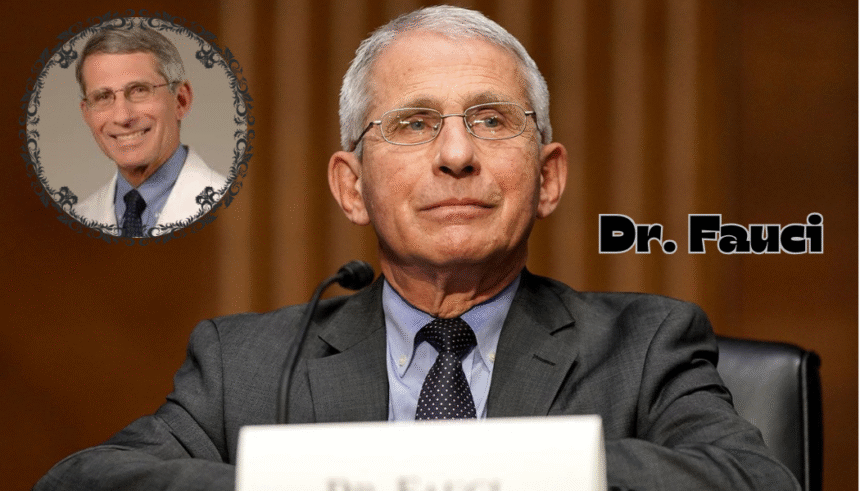
Dr. Anthony Stephen Fauci was born on December 24, 1940, in Brooklyn, New York, USA, to Stephen and Eugenia Fauci. Growing up in a middle-class Italian-American family, Fauci’s parents instilled in him the values of hard work, discipline, and dedication to education. From a young age, Fauci exhibited an intense curiosity about science and medicine, often exploring books and experiments that piqued his interest. His supportive family environment, combined with access to quality education, set the foundation for what would become a groundbreaking career in medicine and public health.
Education and Early Academic Achievements
Fauci’s academic journey began at the Regis High School in Manhattan, a prestigious Jesuit institution known for its rigorous academic standards. Excelling in science and mathematics, Fauci demonstrated early signs of exceptional intellectual ability. He then attended Cornell University, where he earned a Bachelor of Arts in chemistry in 1962, graduating summa cum laude. Fauci’s dedication to learning and research led him to Weill Cornell Medical College, where he completed his M.D. in 1966. Early in his education, Fauci was determined not just to become a physician but to contribute to medical research that could save countless lives.
Early Career in Medicine and Research
After earning his medical degree, Fauci completed his internship and residency at New York Hospital–Cornell Medical Center. He quickly distinguished himself as a brilliant clinician with a strong focus on research. Fauci joined the National Institutes of Health (NIH) in 1968, marking the beginning of a long and influential career in public health. At the NIH, Fauci was initially part of the National Institute of Allergy and Infectious Diseases (NIAID), where he focused on immunology and infectious diseases. Early in his career, he recognized the importance of understanding the human immune system to combat complex diseases, a focus that would shape much of his life’s work.
Contributions to HIV/AIDS Research
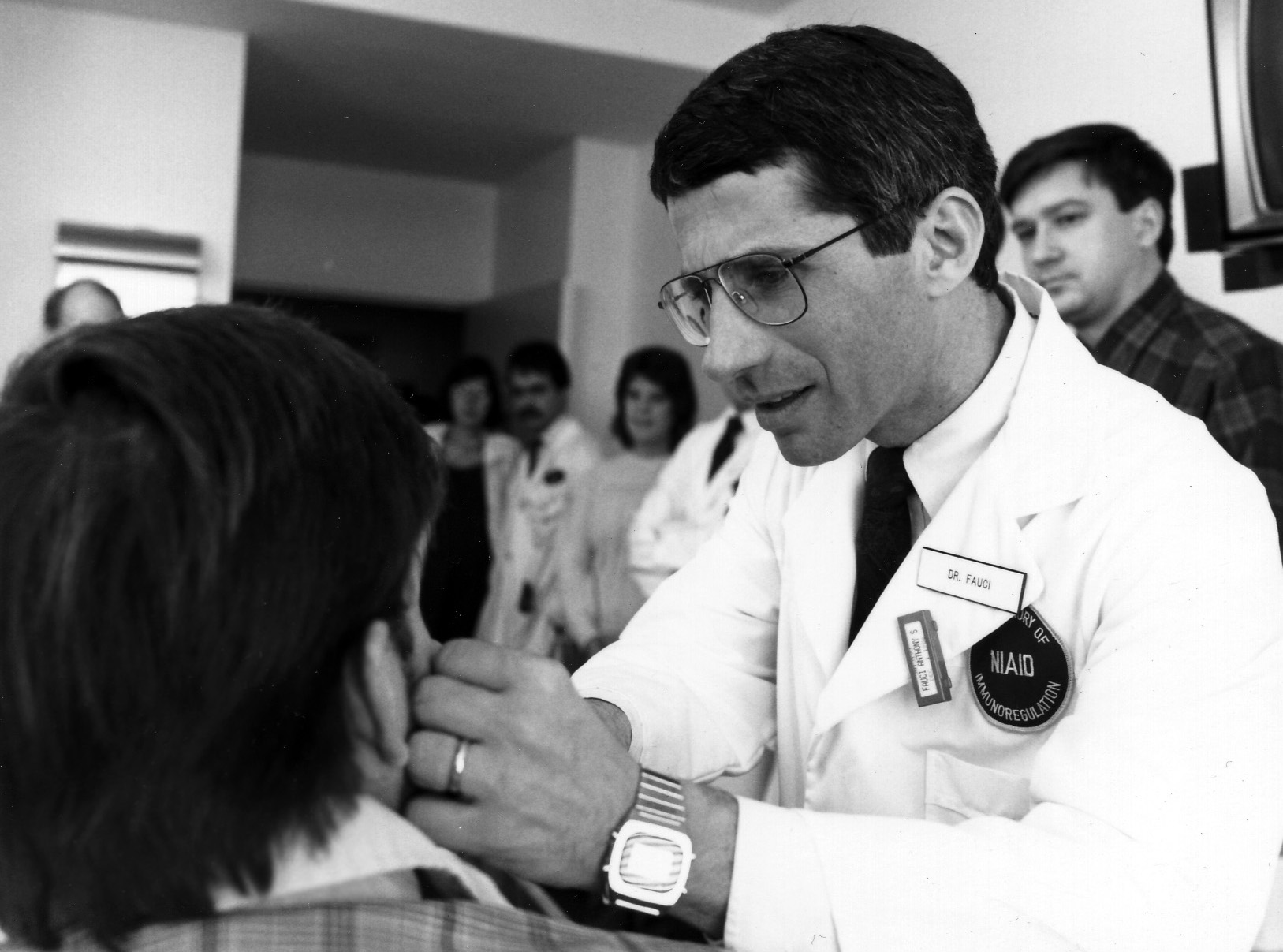
One of Dr. Fauci’s most notable contributions came during the HIV/AIDS epidemic of the 1980s. At a time when the disease was poorly understood and stigmatized, Fauci became a leading voice in research and public education. He was instrumental in developing effective treatment strategies and worked tirelessly to improve patient care. Fauci’s research on antiviral therapies, particularly combination antiretroviral therapy, revolutionized the treatment of HIV/AIDS, transforming it from a fatal disease to a manageable chronic condition. Beyond his research, Fauci also advocated for public awareness campaigns and ethical treatment of patients, emphasizing both scientific rigor and human compassion.
Leadership at the National Institute of Allergy and Infectious Diseases
In 1984, Fauci was appointed Director of the NIAID, a role he held for decades, guiding the institute through multiple global health crises. Under his leadership, NIAID became a hub for cutting-edge research in infectious diseases, immunology, and emerging pathogens. Fauci oversaw extensive research on infectious outbreaks, including Ebola, SARS, MERS, and most recently, COVID-19. His ability to combine scientific expertise with policy guidance made him an invaluable advisor to multiple U.S. presidents, from Ronald Reagan to Joe Biden. Fauci’s approach often involved balancing scientific evidence with pragmatic public health strategies, ensuring that research translated into real-world solutions.
Role in the COVID-19 Pandemic
Dr. Fauci emerged as a central figure during the COVID-19 pandemic, providing critical guidance to both the government and the public. His consistent communication, based on scientific evidence, helped shape national strategies on masking, social distancing, vaccination, and treatment protocols. Fauci faced immense scrutiny and political pressure but remained committed to conveying clear, accurate information. His efforts in guiding vaccine development, particularly the rapid approval of mRNA vaccines, were pivotal in controlling the pandemic. Fauci’s role extended beyond science; he became a trusted public voice, often appearing in media briefings and interviews to educate Americans about the evolving crisis.
Awards and Recognitions
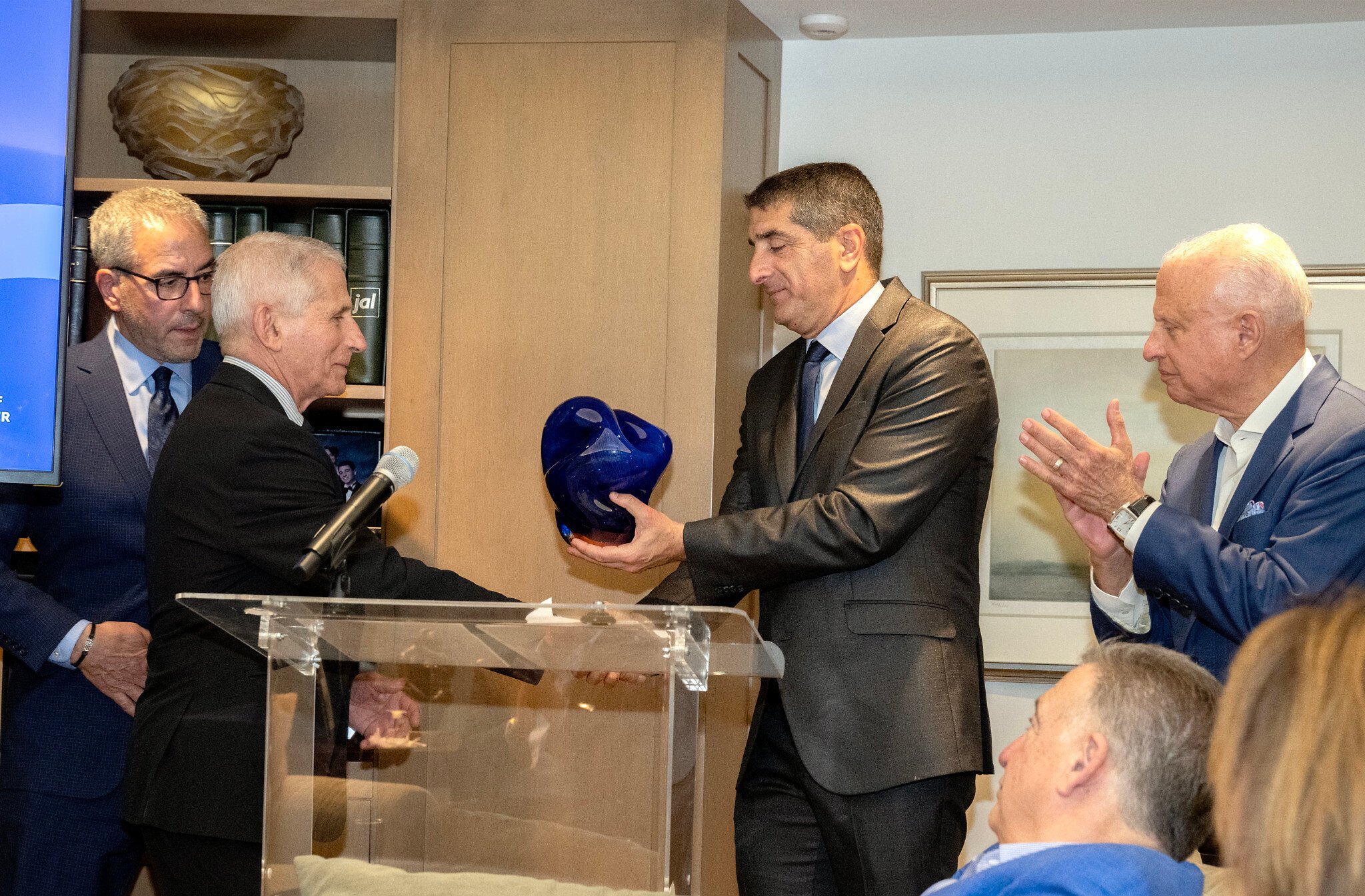
Dr. Fauci’s contributions to medicine and public health have been widely recognized. He has received numerous prestigious awards, including the Presidential Medal of Freedom, the Lasker Award for Public Service, and the National Medal of Science. Fauci has authored hundreds of scientific publications, influencing generations of researchers and clinicians worldwide. His recognitions not only reflect his scientific achievements but also his unwavering dedication to the ethical practice of medicine and public health advocacy.
Personal Life and Values
Despite his global recognition, Dr. Fauci is known for his humility and grounded personality. He married Christine Grady, a bioethicist and nurse, and together they have three daughters. Fauci’s personal life reflects his values of compassion, service, and dedication to family. His commitment to ethical decision-making in medicine extends into his personal philosophy, emphasizing integrity, honesty, and respect for human life. Fauci has often stated that the most rewarding aspect of his career is the opportunity to positively impact people’s lives through science and policy.
Legacy and Influence
Dr. Fauci’s legacy is profound, shaping the field of infectious disease research and public health for decades. His leadership has influenced policy decisions globally, while his research has advanced the understanding and treatment of some of the world’s most challenging diseases. Fauci’s approach, combining scientific rigor with public engagement, serves as a model for future generations of scientists and health leaders. He has shown that a career in medicine is not just about treating patients but also about advancing knowledge, advocating for the vulnerable, and guiding society through complex challenges. > More Our Latest: Leo Censori <
Lessons from Dr. Fauci’s Career
Several key lessons emerge from Dr. Fauci’s life and work. First, dedication to science and continuous learning is essential for addressing global health challenges. Second, effective communication of complex scientific information is as important as research itself. Third, ethical leadership and public service are vital in building trust, especially during crises. Fauci’s career illustrates how a scientist can simultaneously excel in research, policy, and public engagement, providing a blueprint for future leaders in health and science.
Conclusion
Dr. Anthony Fauci’s career is a testament to the power of knowledge, dedication, and integrity. From his early life in Brooklyn to his decades-long leadership at the NIAID, Fauci has consistently demonstrated a commitment to improving human health through research, policy, and public engagement. His contributions during the HIV/AIDS epidemic, Ebola outbreak, and COVID-19 pandemic underscore his enduring impact on global health. Fauci’s life reminds us that science, when combined with compassion and ethical leadership, can profoundly change the world. He remains an inspiration to aspiring scientists, public health professionals, and anyone who values the pursuit of knowledge for the betterment of humanity.