Design is all around us. From the clothes we wear and the websites we visit to the posters we see and the products we use, design plays a powerful role in shaping our daily experiences. At the heart of every successful design are the elements of design. These elements are the basic visual components that designers use to create meaningful, attractive, and effective designs. Understanding these elements is essential for anyone interested in graphic design, art, fashion, web design, or even everyday visual communication.
In this article, we will explore the elements of design in detail. Each element will be explained clearly with practical understanding so that even beginners can easily grasp the concepts. By the end of this guide, you will have a strong foundation in design basics and a better appreciation for how visual compositions are created.
What Are the Elements of Design?
The elements of design are the fundamental components used to create any visual artwork or design. Think of them as the raw materials of design. Just like words form sentences and sentences form stories, elements of design come together to form complete visual compositions.
These elements include line, shape, color, texture, space, form, and value. Each element has its own role, but when combined thoughtfully, they create balance, harmony, and visual interest. Designers use these elements intentionally to communicate ideas, evoke emotions, and guide the viewer’s eye.
Line: The Foundation of Visual Structure
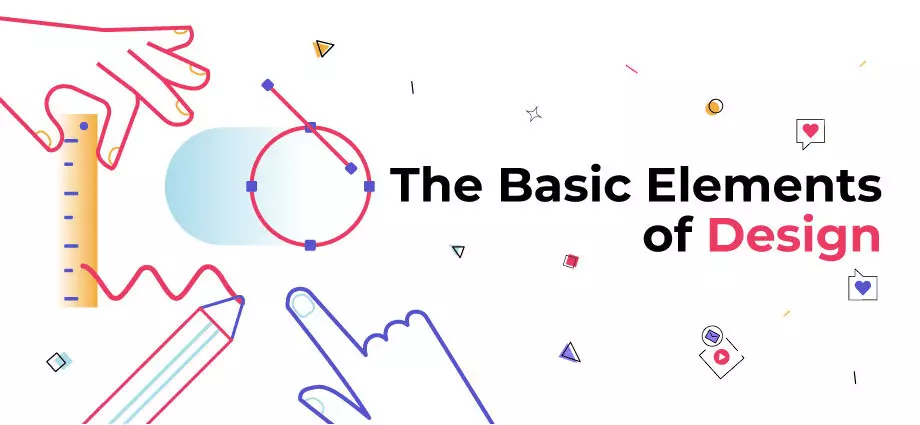
Line is one of the most basic and powerful elements of design. A line is created when two points are connected, but in design, lines can be thick, thin, straight, curved, solid, or broken. Lines help define shapes, divide space, and create movement within a design.
Lines can also express emotions and moods. Horizontal lines often suggest calmness and stability, while vertical lines represent strength and structure. Diagonal lines create energy and motion, making a design feel dynamic. Curved lines feel soft, flowing, and organic, often associated with nature or elegance. > More Our Latest: Handlebar Mustache <
Designers use lines to lead the viewer’s eye, create borders, and add detail. Even when not visible, implied lines can be formed through alignment or repetition, guiding how a viewer experiences a design.
Shape: Creating Form and Identity
Shape is created when a line encloses an area. Shapes are flat, two-dimensional elements that can be geometric or organic. Geometric shapes include squares, circles, triangles, and rectangles, while organic shapes are irregular and free-flowing, often inspired by nature.
Shapes play a major role in giving structure to a design. They help organize information, create icons and symbols, and define areas within a layout. For example, logos often rely heavily on simple shapes to create strong brand identities.
Different shapes communicate different meanings. Circles often represent unity, completeness, and harmony. Squares and rectangles suggest stability and order. Triangles can indicate movement, direction, or tension. Understanding how shapes influence perception helps designers choose the right visual language for their message.
Color: Communicating Emotion and Meaning

Color is one of the most noticeable and emotionally powerful elements of design. It can instantly attract attention, set a mood, and communicate meaning without words. Colors are made up of three main properties: hue, saturation, and brightness.
Hue refers to the color itself, such as red, blue, or yellow. Saturation describes how intense or dull a color appears. Brightness determines how light or dark a color is. Together, these properties allow designers to create endless color variations.
Colors also have psychological effects. Warm colors like red, orange, and yellow often feel energetic and passionate, while cool colors like blue and green feel calm and soothing. Cultural context also matters, as colors can have different meanings in different societies.
Effective use of color helps establish hierarchy, improve readability, and strengthen emotional impact. A well-chosen color palette can make a design memorable and visually pleasing.
Texture: Adding Depth and Realism
Texture refers to the surface quality of a design. It can be real (tactile) or visual (implied). Real texture can be felt physically, like fabric or wood, while visual texture is created through images or patterns that suggest how something might feel.
In design, texture adds depth, interest, and realism. A flat design can feel more engaging when texture is introduced thoughtfully. For example, a background with subtle grain or paper texture can make a digital design feel warm and natural.
Texture also helps create contrast and emphasis. Rough textures can feel bold and raw, while smooth textures appear clean and modern. Designers must use texture carefully to enhance the design without making it cluttered or distracting.
Space: The Power of Empty Areas
Space is one of the most misunderstood elements of design, yet it is one of the most important. Space refers to the area around, between, and within design elements. It includes both positive space (the main objects) and negative space (the empty or unused areas).
Negative space is not wasted space. Instead, it gives designs room to breathe, improves readability, and helps focus attention on key elements. Clean and effective designs often use space strategically to create balance and clarity.
Proper use of space helps organize content and establish visual hierarchy. It allows viewers to process information easily and prevents designs from feeling overcrowded. Many professional designs rely on simplicity and well-managed space to achieve elegance and impact.
Form: Bringing Designs into Three Dimensions
Form refers to objects that have depth, width, and height. While shape is two-dimensional, form is three-dimensional. In graphic design, form is often implied through shading, perspective, and highlights, creating the illusion of depth on a flat surface.
Form is especially important in product design, architecture, and 3D modeling. However, even in digital and print design, understanding form helps designers create realistic and visually appealing compositions.
By using light and shadow effectively, designers can make objects appear solid and lifelike. This adds realism and visual interest, making the design feel more immersive and engaging.
Value: Understanding Light and Dark
Value refers to the lightness or darkness of a color or tone. It plays a critical role in creating contrast, depth, and emphasis. Designs with strong value contrast are easier to read and more visually striking.
High contrast between light and dark areas helps highlight important elements and improves accessibility. For example, dark text on a light background is easier to read than low-contrast combinations.
Value is also essential for creating mood and dimension. Gradual changes in value can create shadows, highlights, and realistic depth. Designers often use value to guide the viewer’s eye and establish visual hierarchy within a composition.
How the Elements of Design Work Together
While each element of design has its own purpose, they are most effective when used together. A successful design balances all elements harmoniously, ensuring that no single element overwhelms the others.
For example, color and value work together to create contrast, while line and shape define structure. Texture and space add depth and clarity, and form brings realism to the composition. Designers must consider how these elements interact to create a cohesive and meaningful design.
Mastering the elements of design takes practice and observation. By studying well-designed visuals and experimenting with different combinations, designers can develop a strong sense of visual communication.
Importance of Learning the Elements of Design
Understanding the elements of design is essential for anyone involved in creative work. Whether you are a graphic designer, artist, marketer, or student, these elements provide a solid foundation for visual storytelling.
They help you make intentional design choices instead of relying on guesswork. With this knowledge, you can create designs that are not only visually attractive but also functional and effective in conveying messages.
Learning these elements also improves critical thinking. You begin to analyze designs more deeply, understanding why certain visuals work and others do not. This skill is valuable across many creative and professional fields.
Conclusion: The Building Blocks of Great Design
The elements of design are the core building blocks of all visual creativity. Line, shape, color, texture, space, form, and value each play a unique and essential role in shaping how designs look and feel. When used thoughtfully and skillfully, these elements transform simple ideas into powerful visual experiences.
By understanding and applying the elements of design, you gain the ability to communicate visually with clarity and confidence. Whether you are creating art, designing a website, or simply appreciating visual media, these principles will enhance your understanding and creativity.
Design is not just about making things look good. It is about creating meaning, connection, and impact. And it all begins with mastering the elements of design.