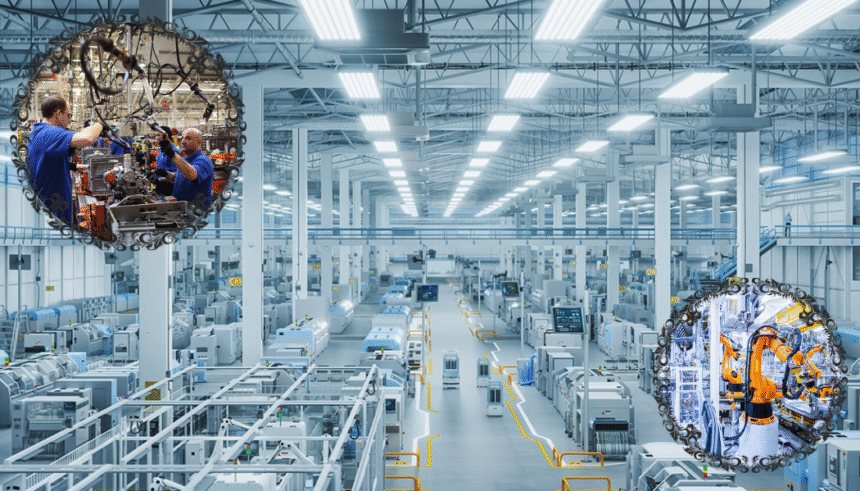
Manufacturing has always been the beating heart of industrial progress. It transforms simple raw materials into finished goods that shape how we live, work, and communicate. From the first handmade tools to today’s automated smart factories, manufacturing has been the foundation of global economies. Its ability to produce at scale, create employment, and spark innovation makes it one of the most vital forces behind human development and economic stability.
What Manufacturing Means
At its core, manufacturing is the process of converting raw materials or parts into finished products using machinery, tools, labor, and technology. It’s the bridge between raw resource extraction and the final consumer market. Every product we use — from mobile phones and furniture to vehicles and medical devices — passes through a manufacturing process. This field not only delivers material goods but also drives the growth of other industries such as logistics, services, and construction.
Historical Development
The roots of manufacturing go back thousands of years when humans produced goods manually using basic tools. However, it was the Industrial Revolution in the 18th century that changed everything. Steam power, mechanized equipment, and the rise of factories revolutionized production, increasing output and reducing costs. Later, the 20th century introduced mass production techniques — assembly lines, standardized parts, and automation. Today, digital manufacturing and artificial intelligence have transformed the industry once again, bringing precision, speed, and efficiency to unprecedented levels.
The Economic Power of Manufacturing
Manufacturing is often referred to as the engine of economic growth, and for good reason. It contributes significantly to a country’s gross domestic product (GDP) and supports millions of jobs worldwide. Nations with strong manufacturing sectors — like Germany, China, Japan, and the United States — dominate global trade because they produce and export high-value goods. The industry also creates demand for materials, energy, and services, stimulating entire supply chains. In short, manufacturing keeps economies dynamic and resilient.
How Manufacturing Fuels Innovation
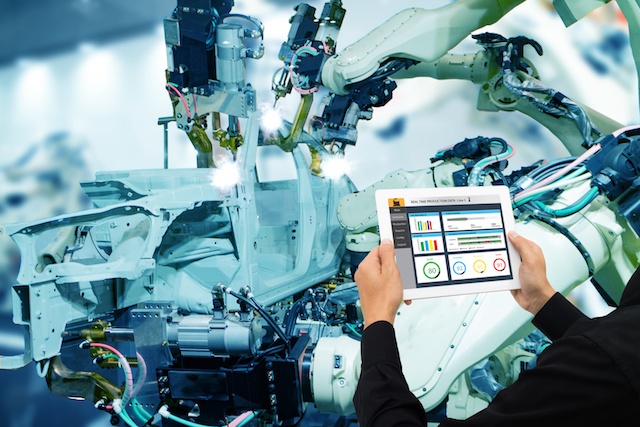
Innovation and manufacturing go hand in hand. Every major technological breakthrough — from smartphones to electric vehicles — relies on advanced manufacturing methods. Factories have become centers of research and development, where engineers and designers experiment with new materials and production techniques. The use of automation, robotics, and 3D printing allows manufacturers to produce complex products faster and with fewer errors. This continuous cycle of innovation helps industries stay competitive and encourages creativity across sectors.
Modern Manufacturing Processes
Manufacturing today is not a single activity but a complex system involving multiple stages. It begins with design and planning, where engineers use digital tools to visualize a product before it’s made. Then comes raw material procurement, followed by fabrication or assembly, where machines and workers transform materials into products. The process concludes with quality testing, packaging, and distribution. Each step requires precision and coordination, ensuring that the final product meets safety, quality, and consumer expectations.
Different Types of Manufacturing
There are several types of manufacturing systems, each suited for specific production goals.
Discrete manufacturing produces distinct items like electronics, furniture, and machinery.
Process manufacturing is used for continuous production, such as chemicals, beverages, and food products.
Batch manufacturing produces goods in groups or batches, balancing efficiency with customization.
Finally, additive manufacturing, or 3D printing, represents the latest innovation — creating products layer by layer using digital models, minimizing waste and speeding up production.
The Role of Technology
Technology has completely redefined how manufacturing operates. Modern factories use robots for repetitive tasks, AI for data analysis, and Internet of Things (IoT) systems to monitor production in real time. Smart sensors track machine performance, predict maintenance needs, and reduce downtime. Meanwhile, cloud computing and digital twins allow engineers to simulate manufacturing processes before they happen. These advancements make production faster, safer, and more cost-effective while improving the quality of the end product.
Benefits of Manufacturing
The advantages of a strong manufacturing sector reach far beyond factories. It provides millions of jobs to skilled and unskilled workers, from machine operators to engineers. Manufacturing also boosts innovation, as companies constantly invest in new technologies and processes. It promotes economic stability, ensuring countries can produce essential goods domestically without depending heavily on imports. Furthermore, by lowering the cost of products through mass production, it improves living standards, making everyday goods accessible to more people.
Challenges Facing the Industry
Despite its strengths, the manufacturing sector faces major challenges. Rising energy and material costs can affect profitability. Environmental issues, such as carbon emissions and waste, require urgent solutions. The global supply chain has also become fragile, especially during crises like pandemics or trade disruptions. Moreover, the growing reliance on technology demands a highly skilled workforce, but many regions face shortages of trained workers. Balancing automation with human employment is another critical challenge for the future.
Sustainable Manufacturing
As environmental awareness grows, sustainable manufacturing has become a priority. This approach focuses on reducing waste, conserving resources, and lowering carbon emissions. Companies are investing in renewable energy, recycling, and eco-friendly materials. Green factories aim to operate efficiently while protecting the planet. Governments and consumers are increasingly supporting sustainable products, which motivates manufacturers to innovate responsibly. Sustainable practices are no longer optional — they are essential for long-term success.
The Future of Manufacturing
The future of manufacturing is driven by digital transformation, sustainability, and customization. Experts refer to this evolution as Industry 5.0, emphasizing collaboration between humans and intelligent machines. Smart factories will be more flexible, producing personalized products based on consumer needs. Artificial intelligence, robotics, and data analytics will continue to shape production efficiency. As technology becomes more accessible, even small and medium enterprises will join this revolution, creating a global ecosystem of connected manufacturers.
Impact on Society
Manufacturing doesn’t just build products — it builds societies. It creates economic opportunities, strengthens communities, and enhances national development. The factories of today are not only places of work but also hubs of creativity and problem-solving. Manufacturing also drives advancements in healthcare, transportation, and communication, improving daily life for millions. The industry remains one of the strongest symbols of human ingenuity and progress.
Conclusion
Buzzlift: Lil Tecca Profile: His Music Journey, Family, and Success Story
Manufacturing stands as one of humanity’s greatest achievements — a force that drives both economic growth and technological innovation. From the assembly lines of the past to the smart factories of the future, it continues to evolve, adapt, and inspire. A thriving manufacturing sector supports livelihoods, fuels innovation, and secures nations’ futures. As we move forward, combining technology with sustainability will ensure that manufacturing remains the engine of progress, powering economies and shaping a better world for generations to come.